

In the northern reaches of Toyama City lies Higashi-Iwase, a port town where time seems to hold its breath. Once a thriving hub for the Kitamaebune cargo ships, the district is defined by the old Hokkoku Kaido (Omachi Street). Here, the blackened gables and majestic facades of former shipping magnates still line the path, inviting travelers on a journey through Japan’s maritime golden age.
Toyama-based photographer and reporter Yusuke Takano captures the “vibrant present” of this historic enclave, where heritage meets a new wave of creativity.
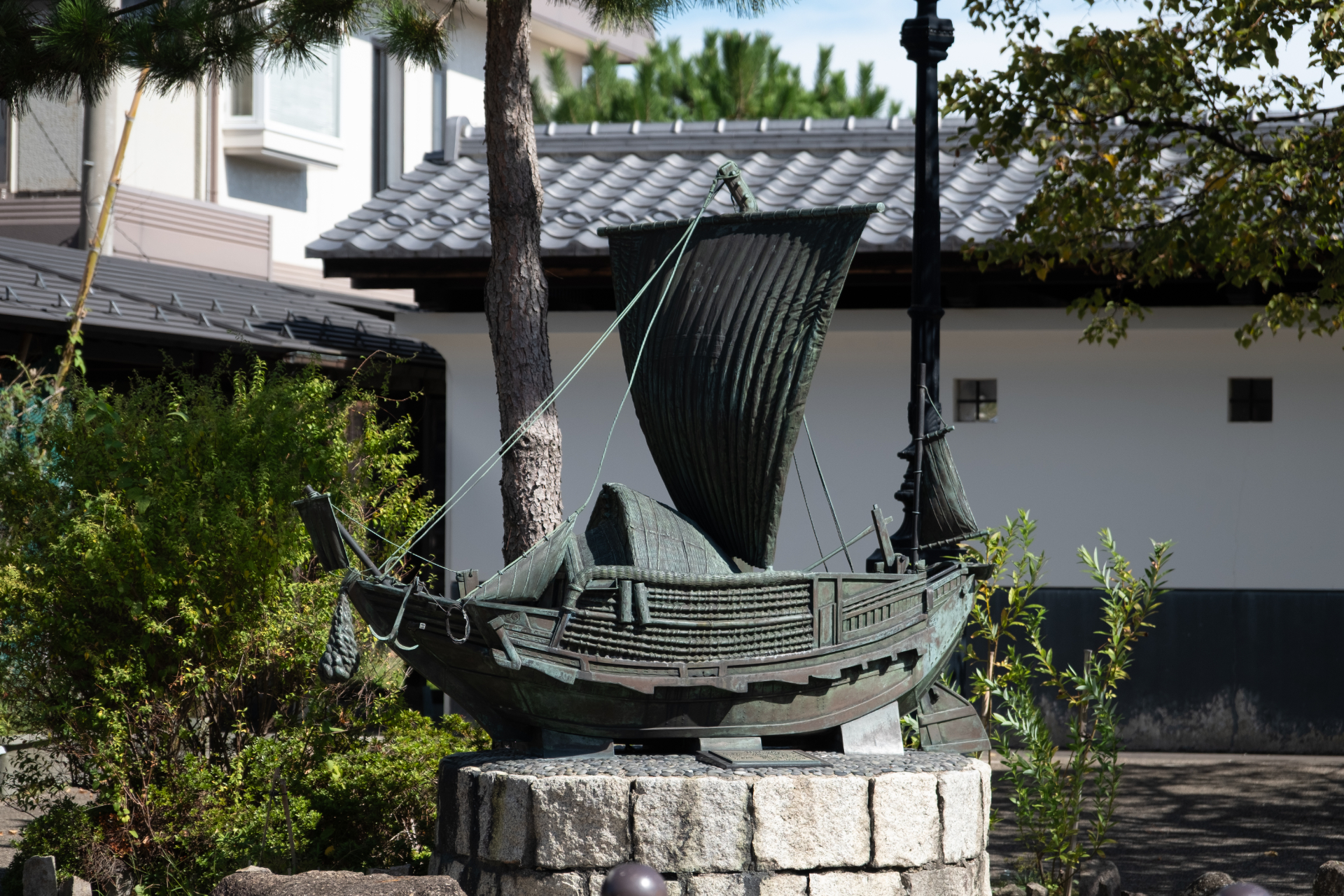
From the mid-Edo period (around 1750) to the Meiji 30s (the late 1890s), the Kitamaebune were “trading ships” that traversed the Sea of Japan, connecting Osaka and Hokkaido. More than just transport vessels, they acted as “integrated maritime trading companies,” purchasing and selling goods at various ports along their route. The shipping wholesalers in these ports managed the collection, brokerage, and storage of cargo. Many shipowners also served as wholesalers, leading to such prosperity that entire towns were formed around these bustling ports.
Higashi-Iwase stands as one of the most prosperous of these Kitamaebune ports. Moreover, it is rare to find another district where the historical townscape has been preserved on such an impressive scale.
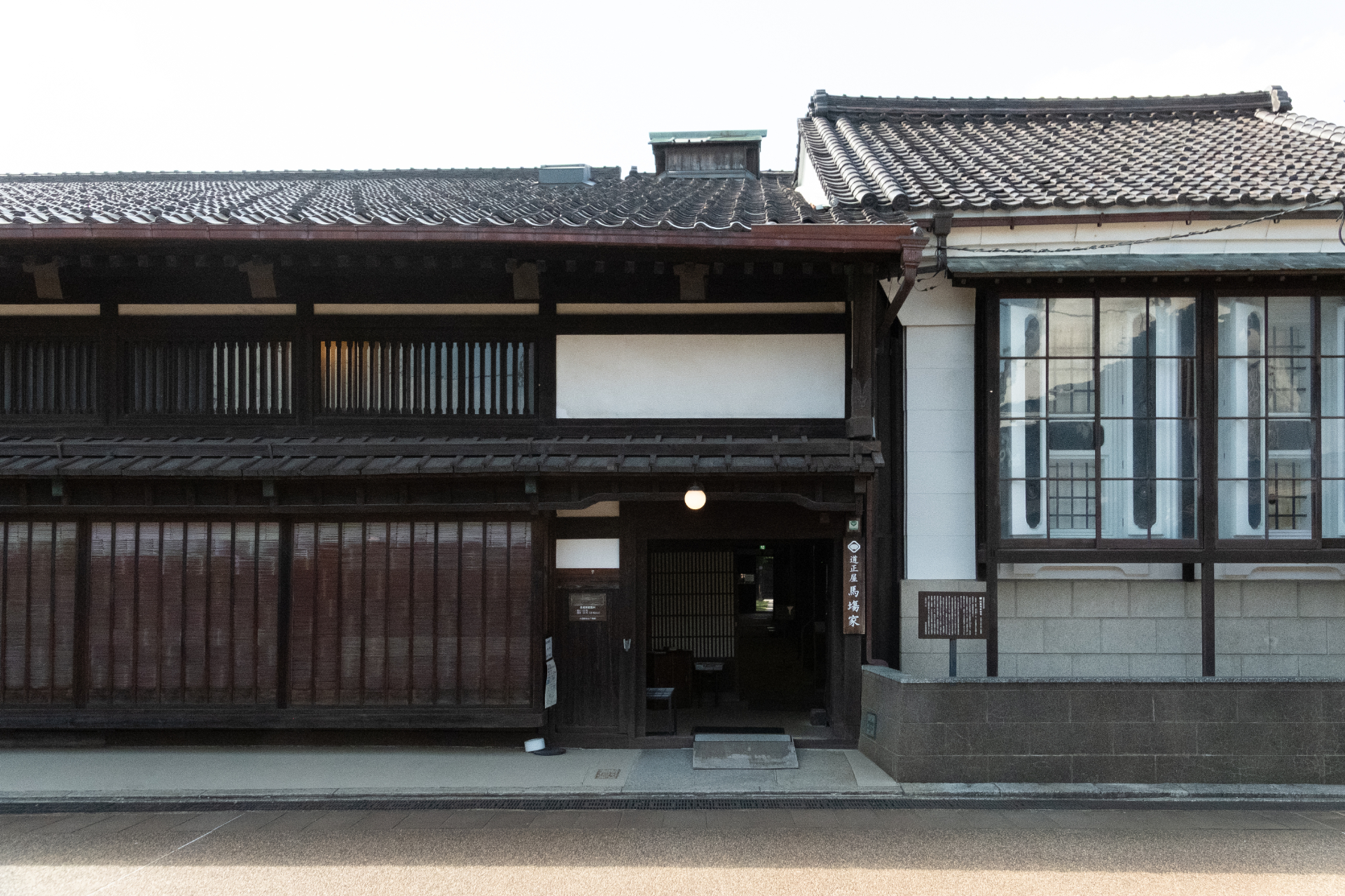
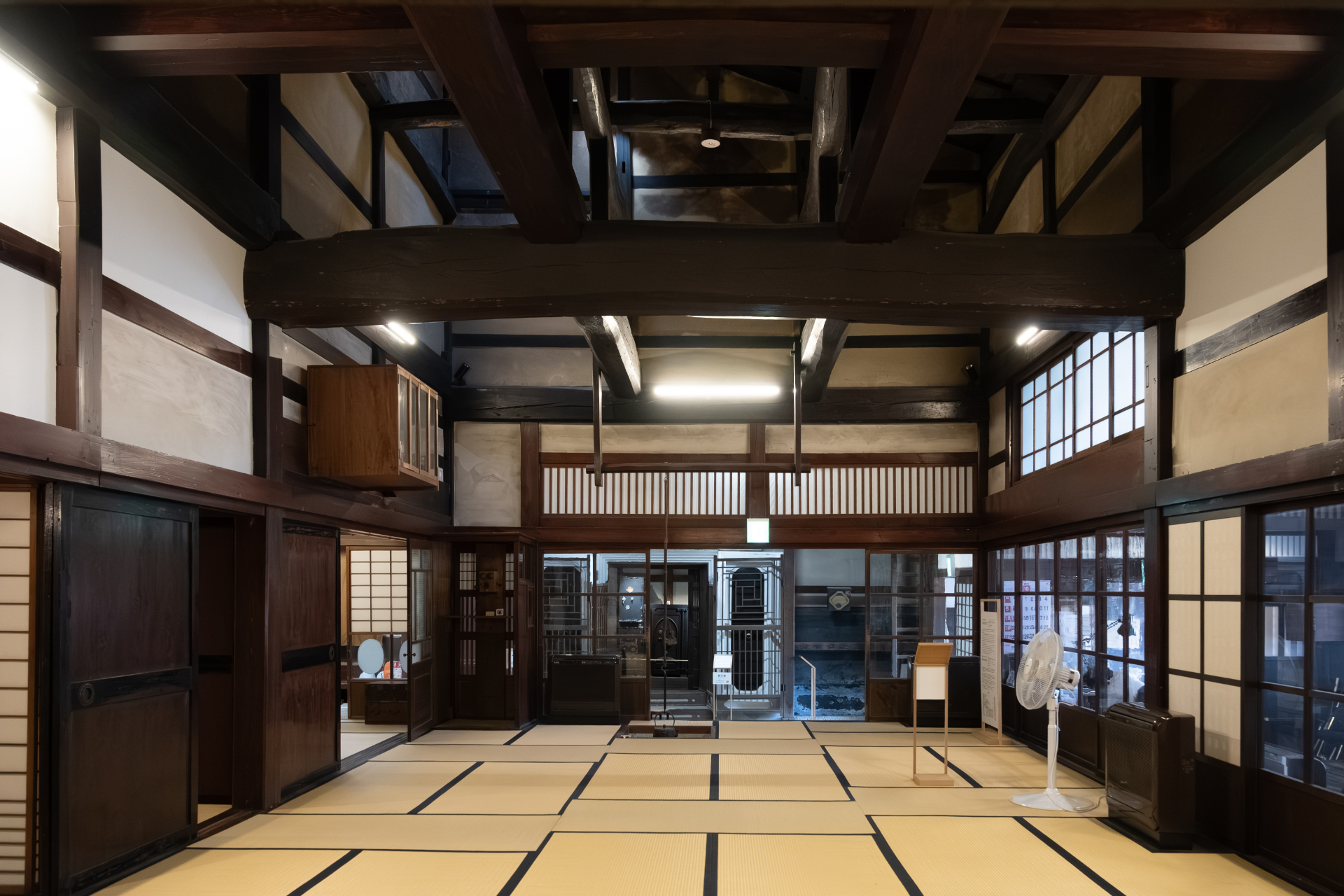
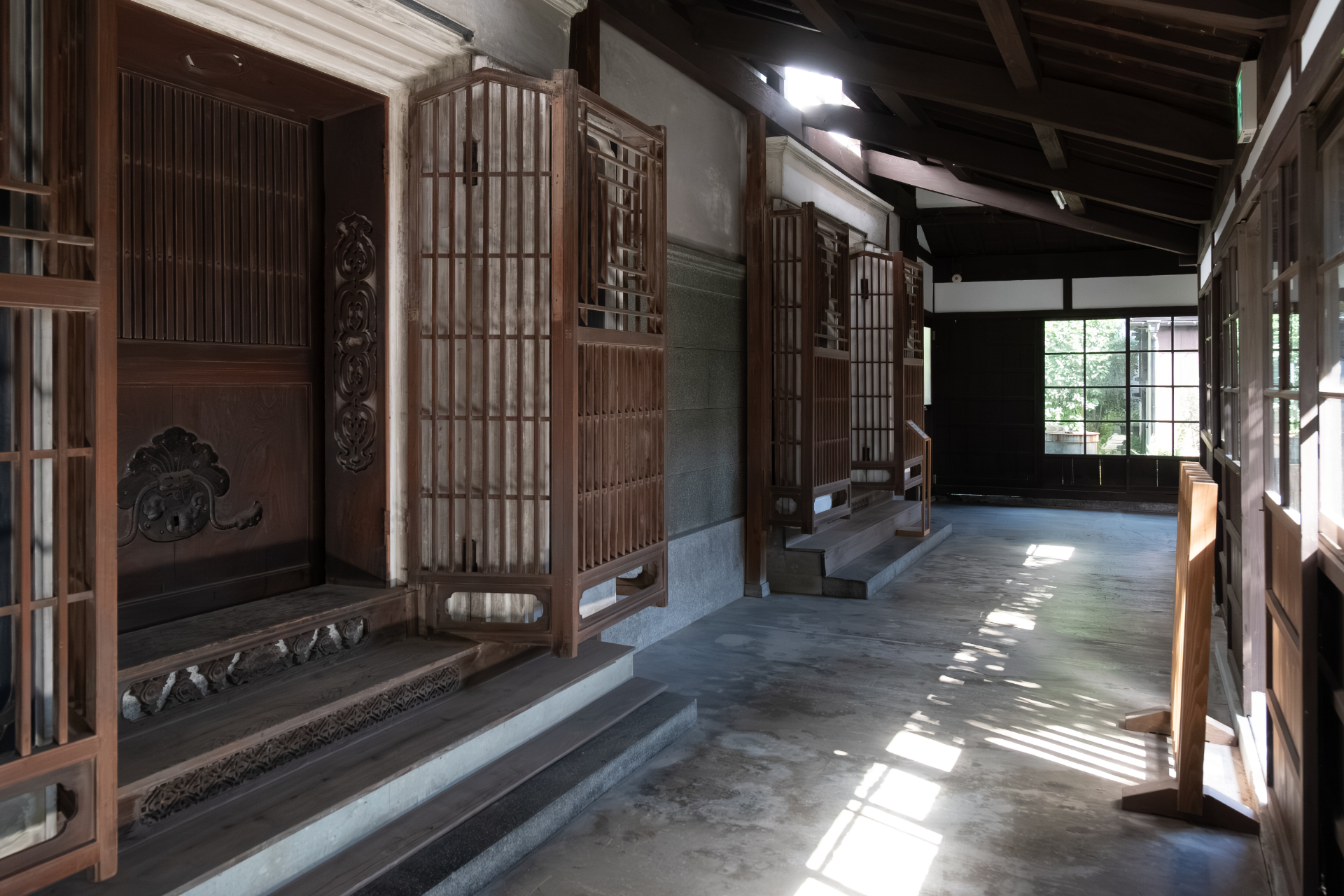
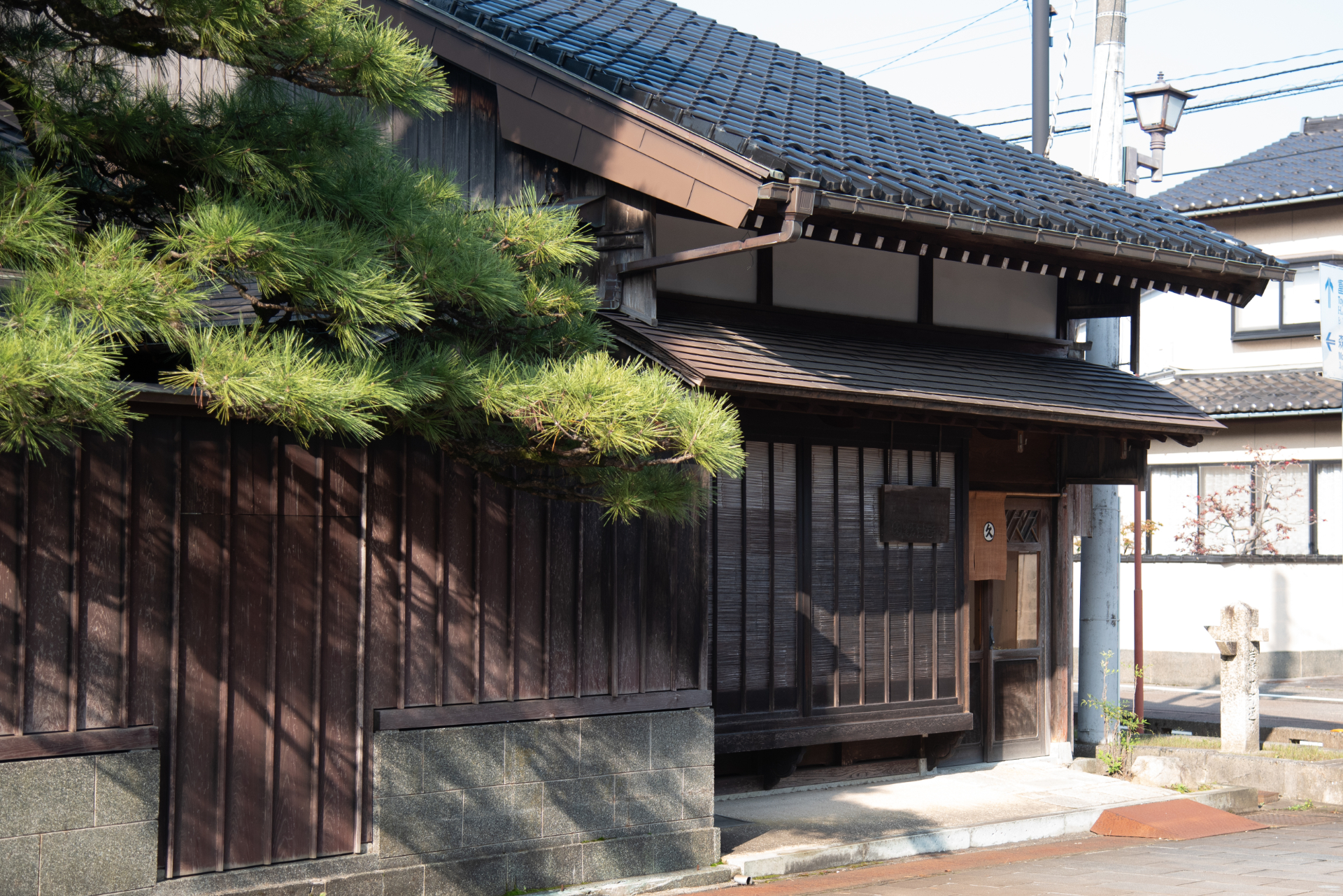
The Former Baba Family Residence, a Nationally Registered Tangible Cultural Property, stands as a silent witness to this bygone opulence. As the heads of the “Iwase Five Families,” the Babas were among the most influential shipowners in the Hokuriku region. Their estate is a masterpiece of functional grandeur, featuring a tori-niwa (indoor passage) stretching 30 meters (98 feet) and a massive kura (earthen-walled storehouse) capable of holding 2,000 koku of rice—roughly 5,000 bales, or 300,000 kg (approx. 661,386 lbs).
How has Higashi-Iwase managed to preserve such a magnificent townscape? Maintaining privately owned historical buildings is a monumental challenge. Like many rural areas, the town saw a decline in population as people moved away or generations changed, and its vitality began to fade.
Fearing that this historical treasure would be lost, Ryuichiro Masuda, the fifth-generation head of Masuda Shuzo—the sake brewery behind the renowned sake Masuizumi—took action. In 1998, he purchased and renovated a former lumber merchant’s building, transforming it into a soba restaurant. Whenever he heard of a historical building facing demolition, he stepped in to save and restore it. Supported by local government efforts to move power lines underground, the foundation for this “miraculous town revitalization” was laid.
With the structures saved, the focus shifted to a new challenge: how to truly utilize these renovated buildings. The next step was breathing life into these spaces. Mr. Masuda renovated historic kura (earthen-walled storehouses) into ateliers for artists and provided spaces for talented chefs. Today, Higashi-Iwase has become a culinary hub, attracting master chefs specializing in Japanese, French, and Italian cuisine, as well as sushi, izakaya, and soba.
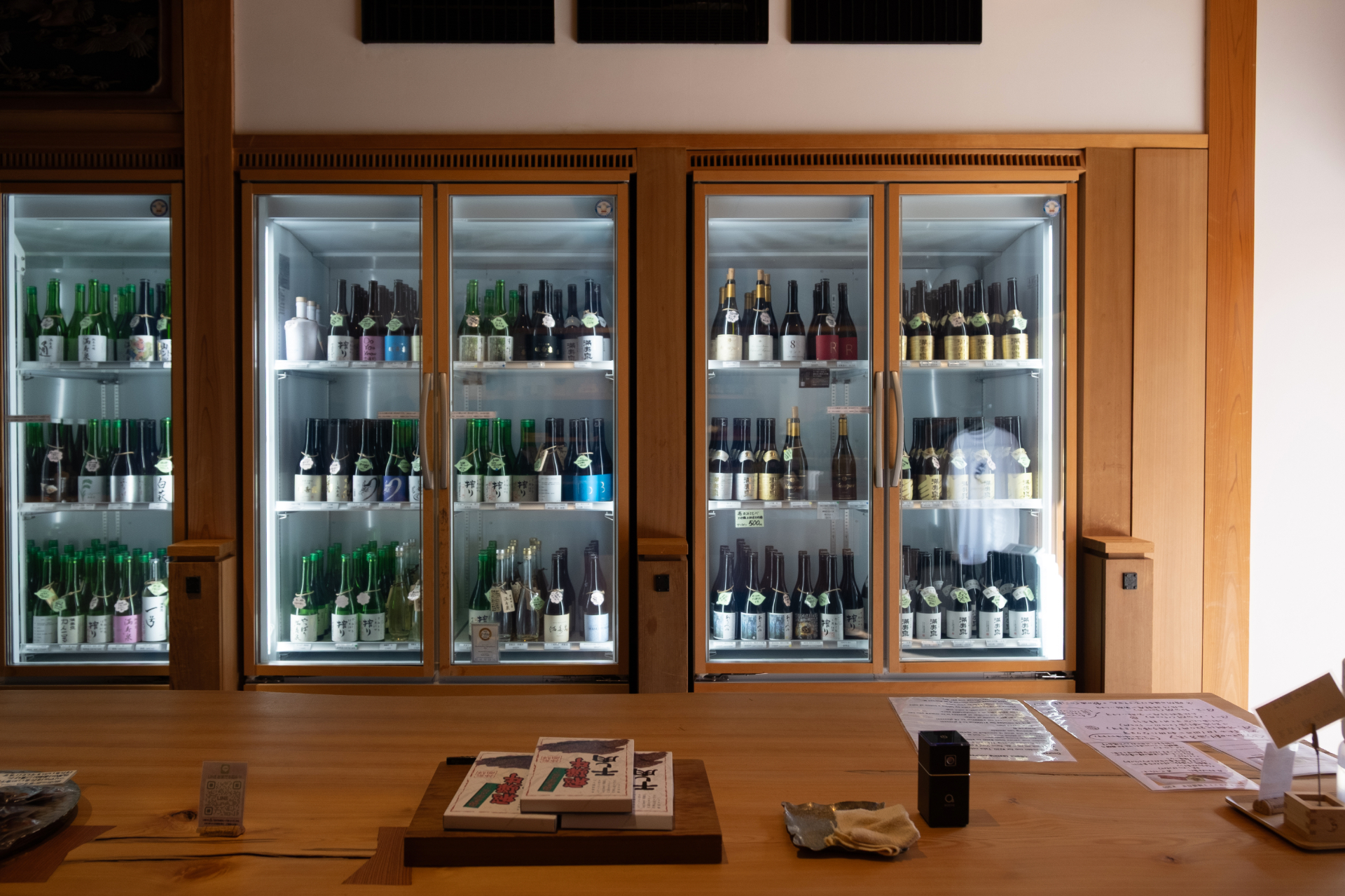
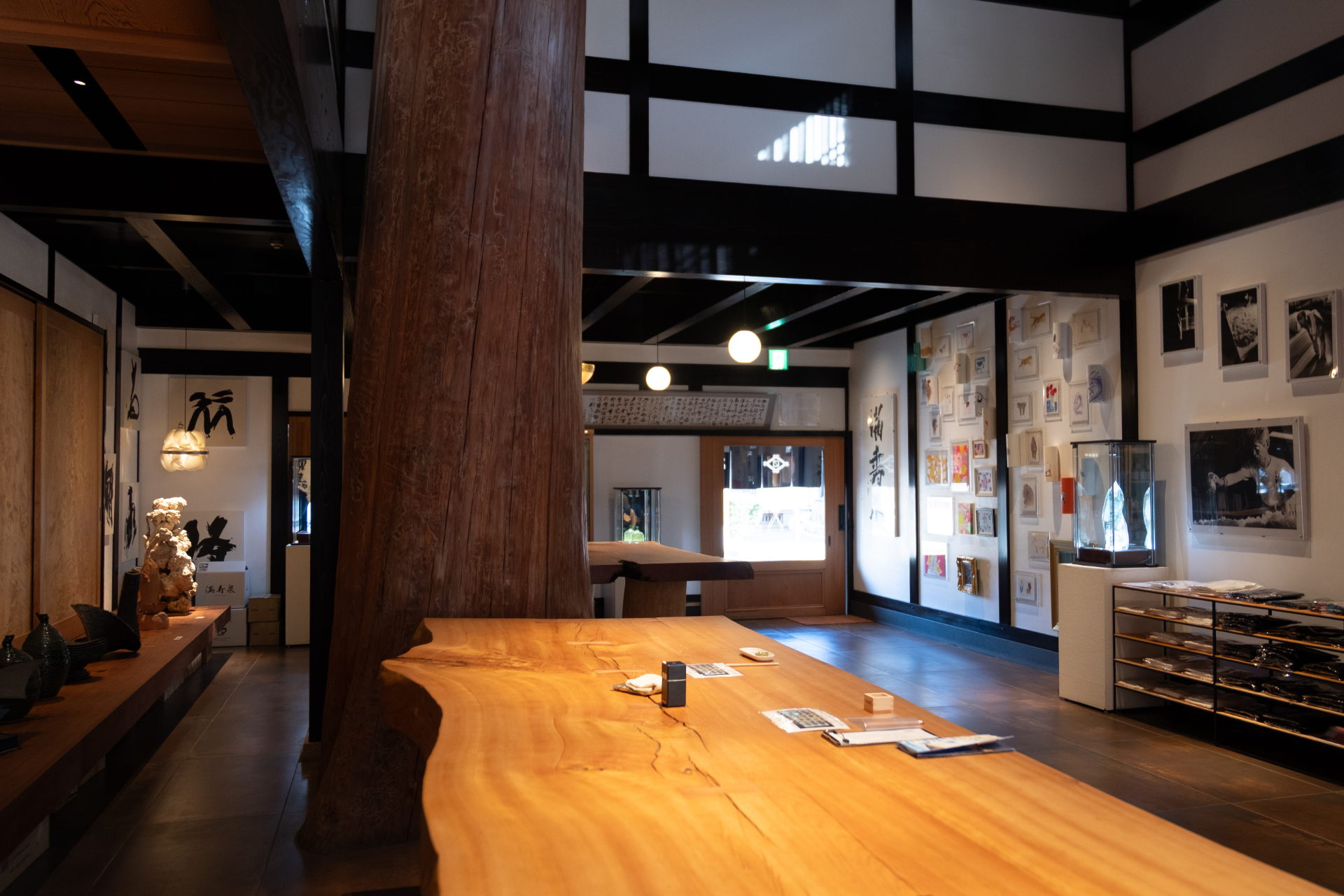
One such space is Saseki, an elegant tasting room created by Masuda Shuzo within a renovated merchant’s mansion. Here, visitors can enjoy a self-service tasting of approximately 100 varieties of Masuizumi sake, savoring the liquid gold of Toyama in a setting of timeless beauty.
A few steps away lies the Mori Family Shipping Wholesaler Residence, a National Important Cultural Property. Within its historic embrace is the flagship Tajiri Honten liquor shop, housed in a beautifully restored kura. The interior, covering 165 square meters, features a vast, temperature-controlled cellar kept at a constant 13°C (55°F), where vintage Masuizumi and fine wines age gracefully.
The most well-known cargo of the Kitamaebune was the kombu (kelp) from Hokkaido. This high-quality kelp gave birth to dashi, the very foundation of Japanese cuisine. In Toyama, a unique culinary culture took root through “Kombu-maki” (kelp rolls)—a dish where herring and other goods also brought by the Kitamaebune are wrapped in kelp and simmered. At Nomura Shoten, the specialty is Nishin no Kombu-maki (herring kelp rolls), slowly and thoroughly simmered in a secret sauce that has been replenished for over 70 years. (Open on Fridays only).
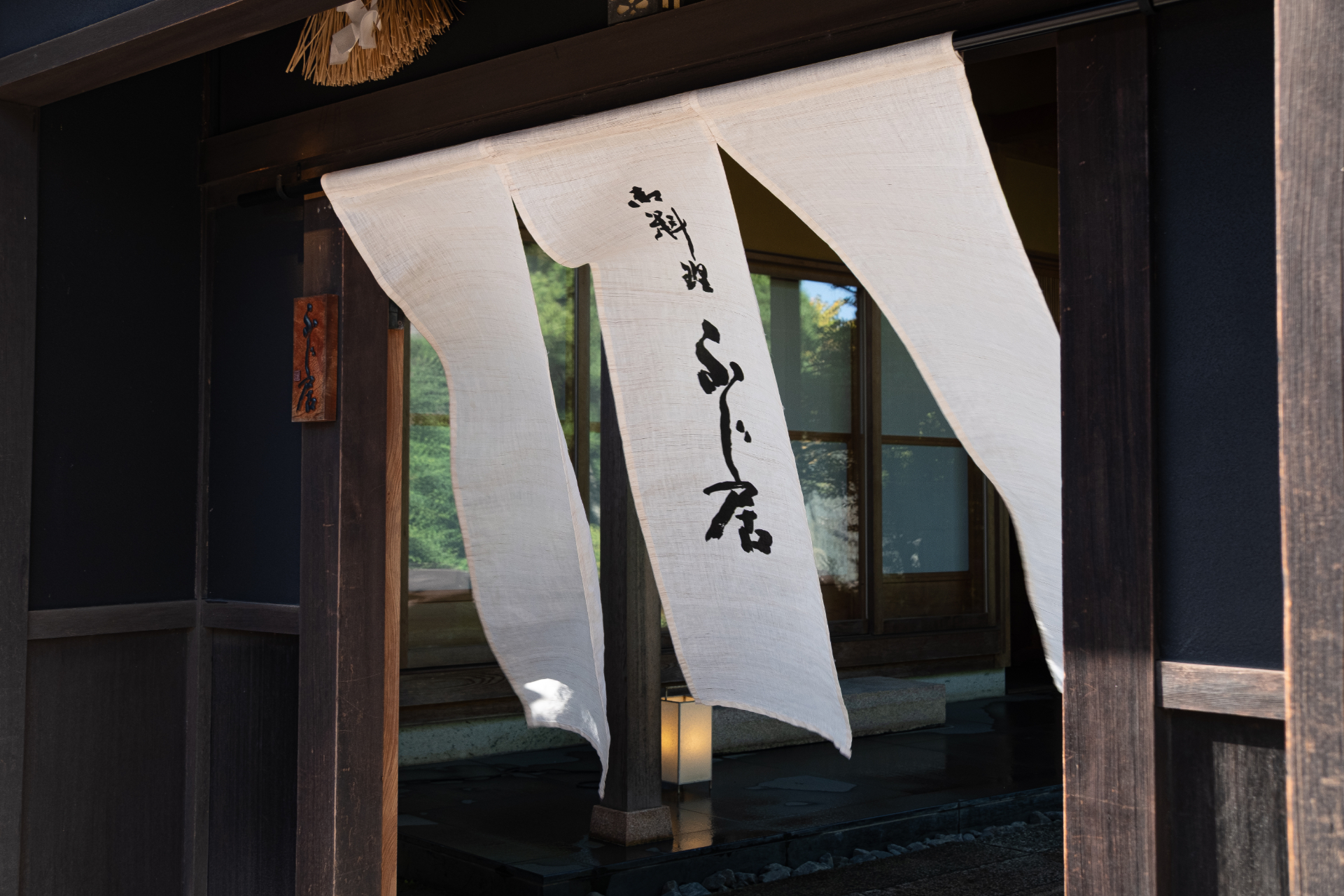
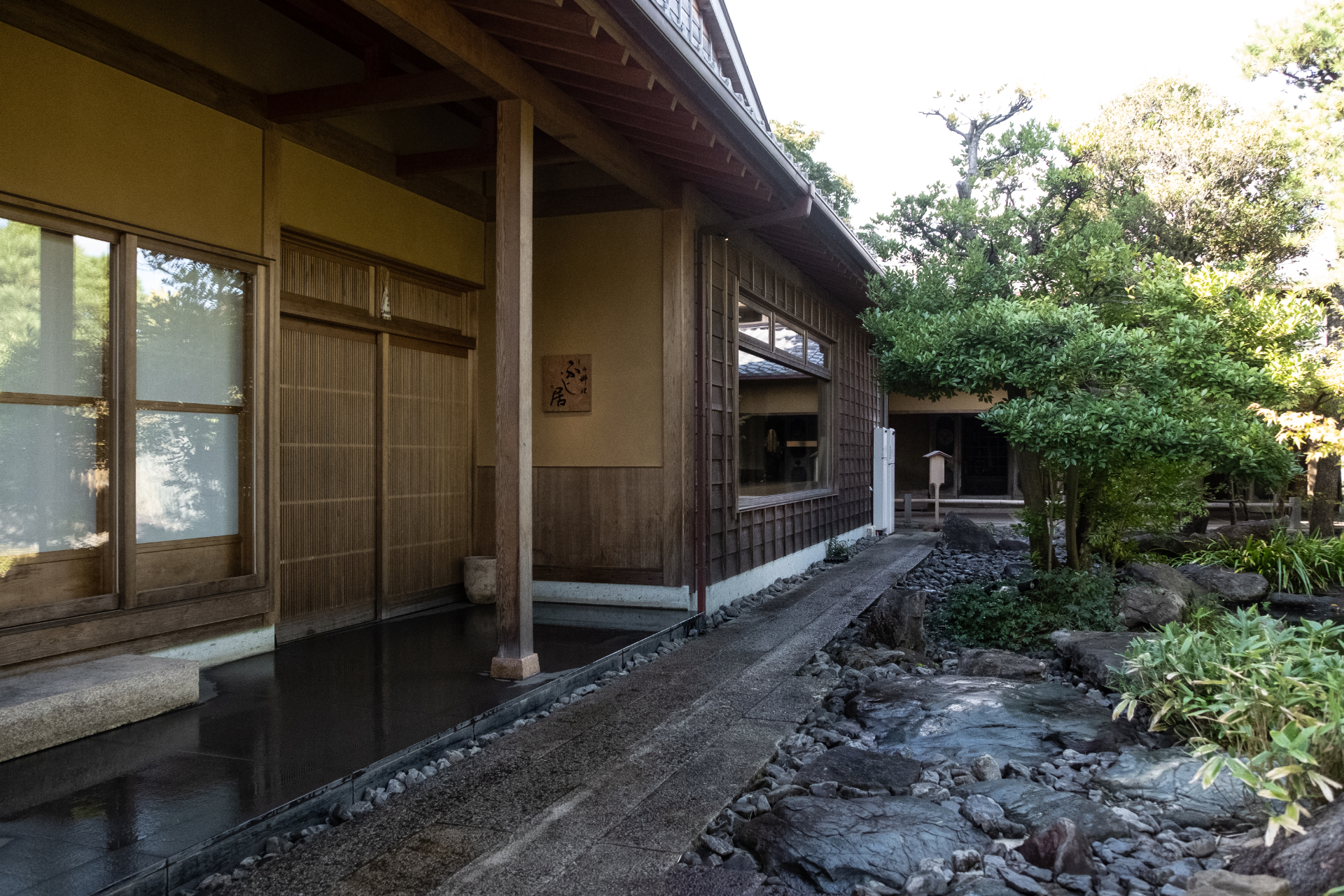
Housed in a renovated Edo-period (1603–1867) kaisen-tonya (shipping wholesaler) residence is Oryori Fujii, a restaurant that earned two stars in the Michelin Guide Hokuriku 2021 Special Edition. After honing his craft in Kanazawa and Kyoto, Chef Hironori Fujii returned to open this sanctuary in 2019. In this expansive space created by the merchant princes of old, guests can admire Chef Fujii’s masterful knife work while savoring the seasonal bounties of Toyama’s mountains and sea.
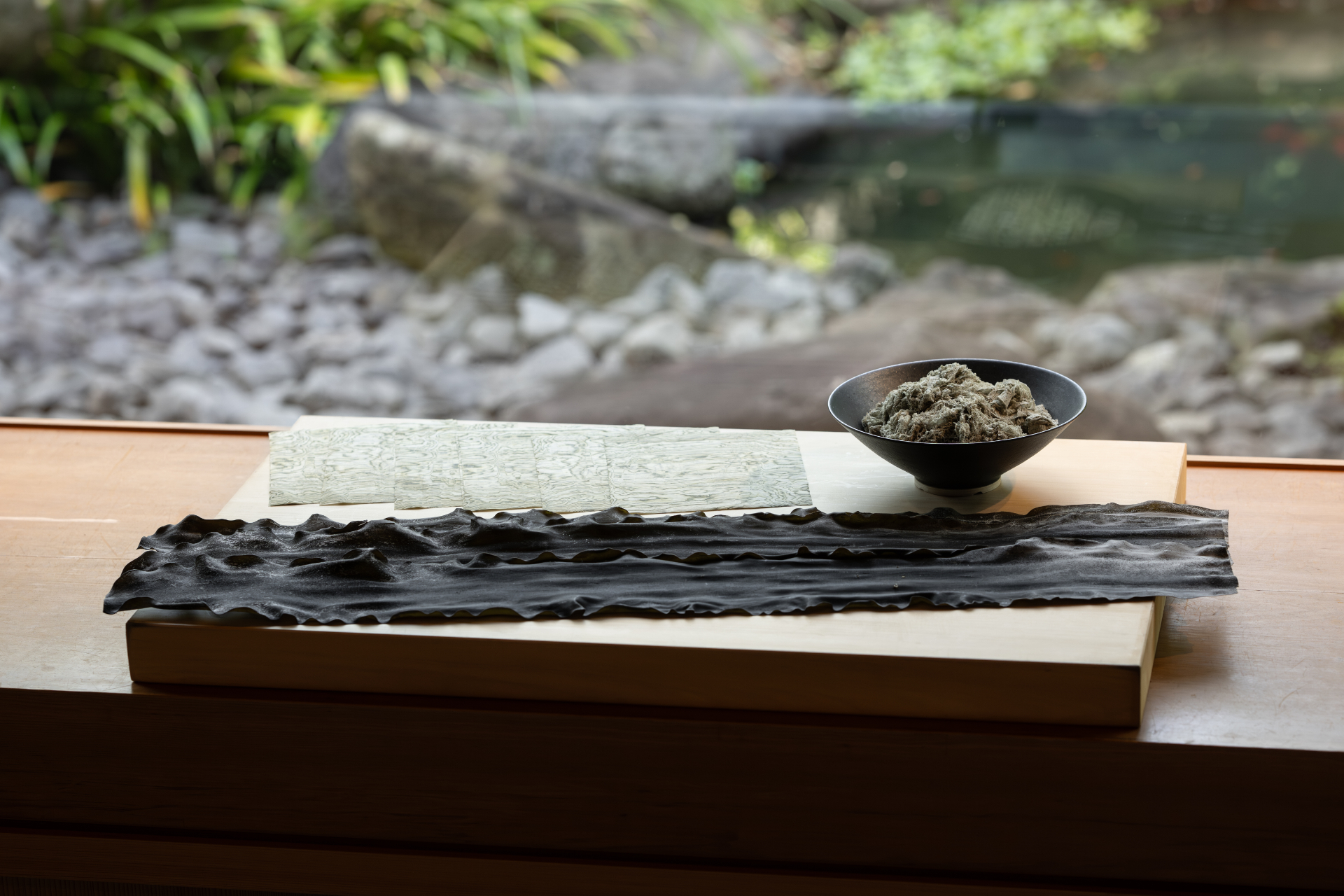
“I feel a profound connection to the kombu brought by the Kitamaebune and the wisdom our ancestors used to weave it into our culture,” Chef Fujii reflects. During our visit, he prepared a refined dish: a Tororo Kombu (shaved kelp) rice ball crowned with the rich saltiness of karasumi (bottarga).
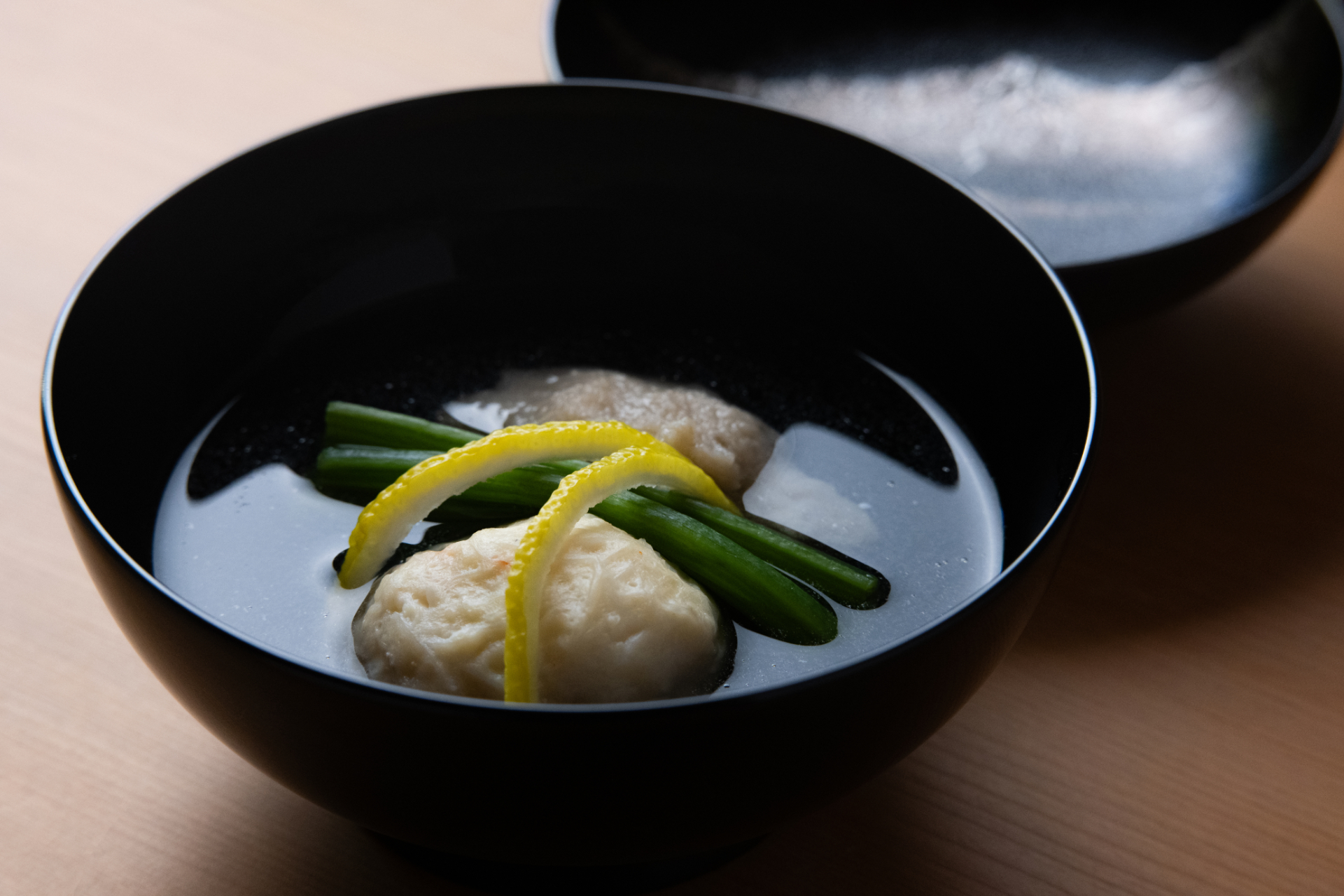
The crescendos of the meal are the shinjo (seafood dumpling) soup—a masterclass in dashi clarity—and a quintessential Toyama pairing: fatty yellowtail (buri) sashimi and delicate white shrimp wrapped in kelp.
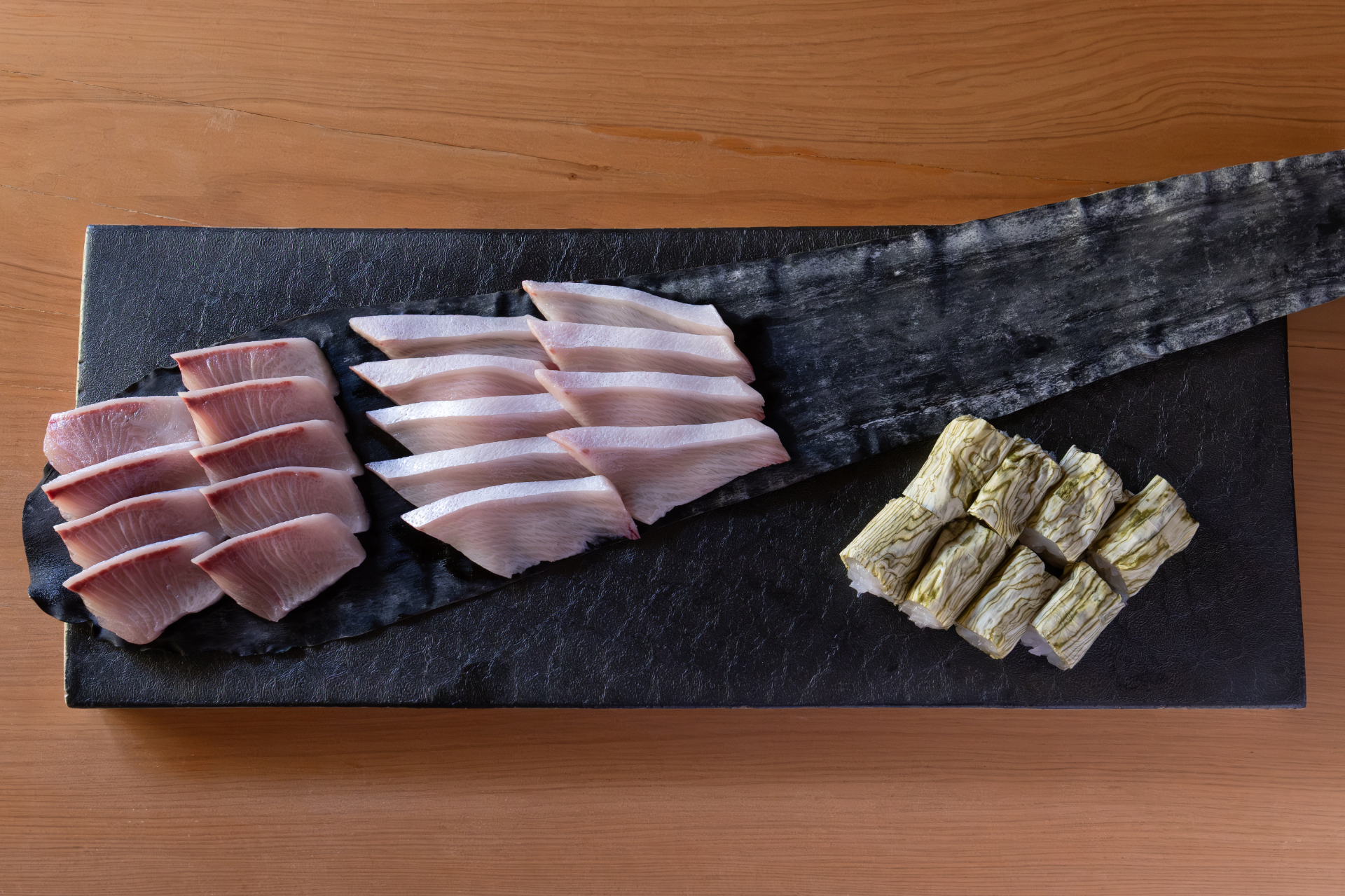
On the day of our visit, a truly exceptional specimen of yellowtail had been procured. The theater of the kitchen reaches its peak with the butchering of this magnificent fish, a prize of the local waters handled with reverence and surgical skill.
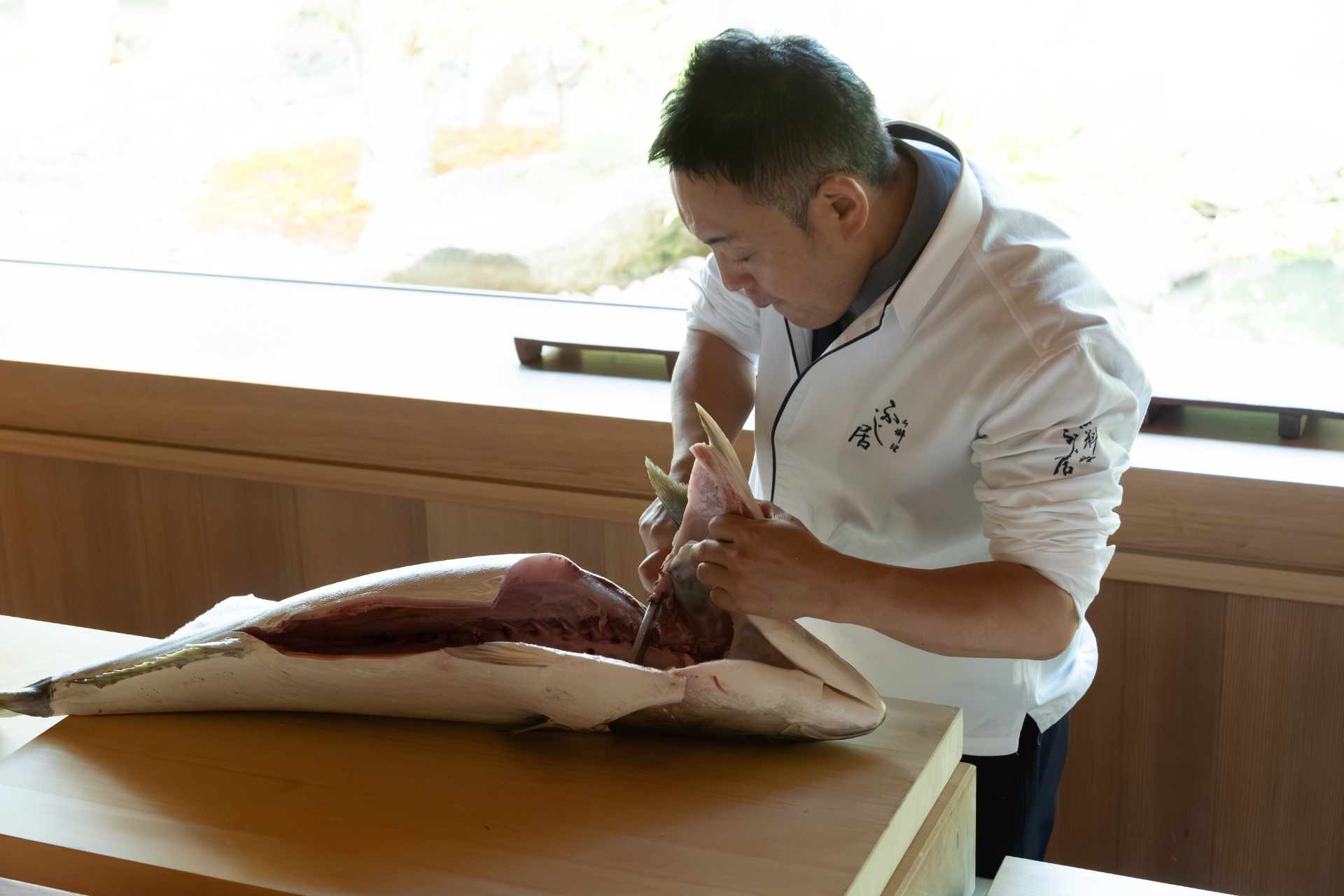
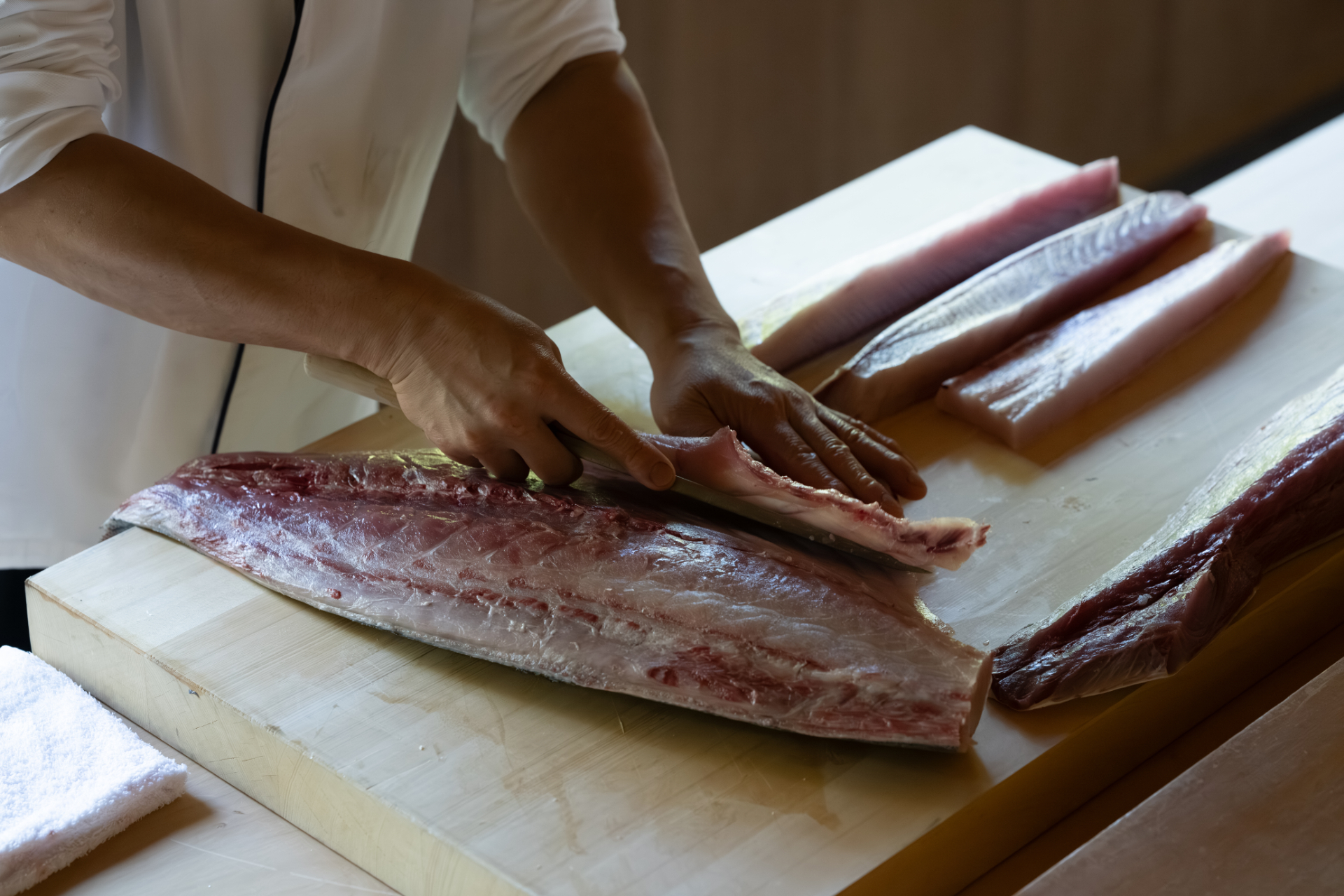
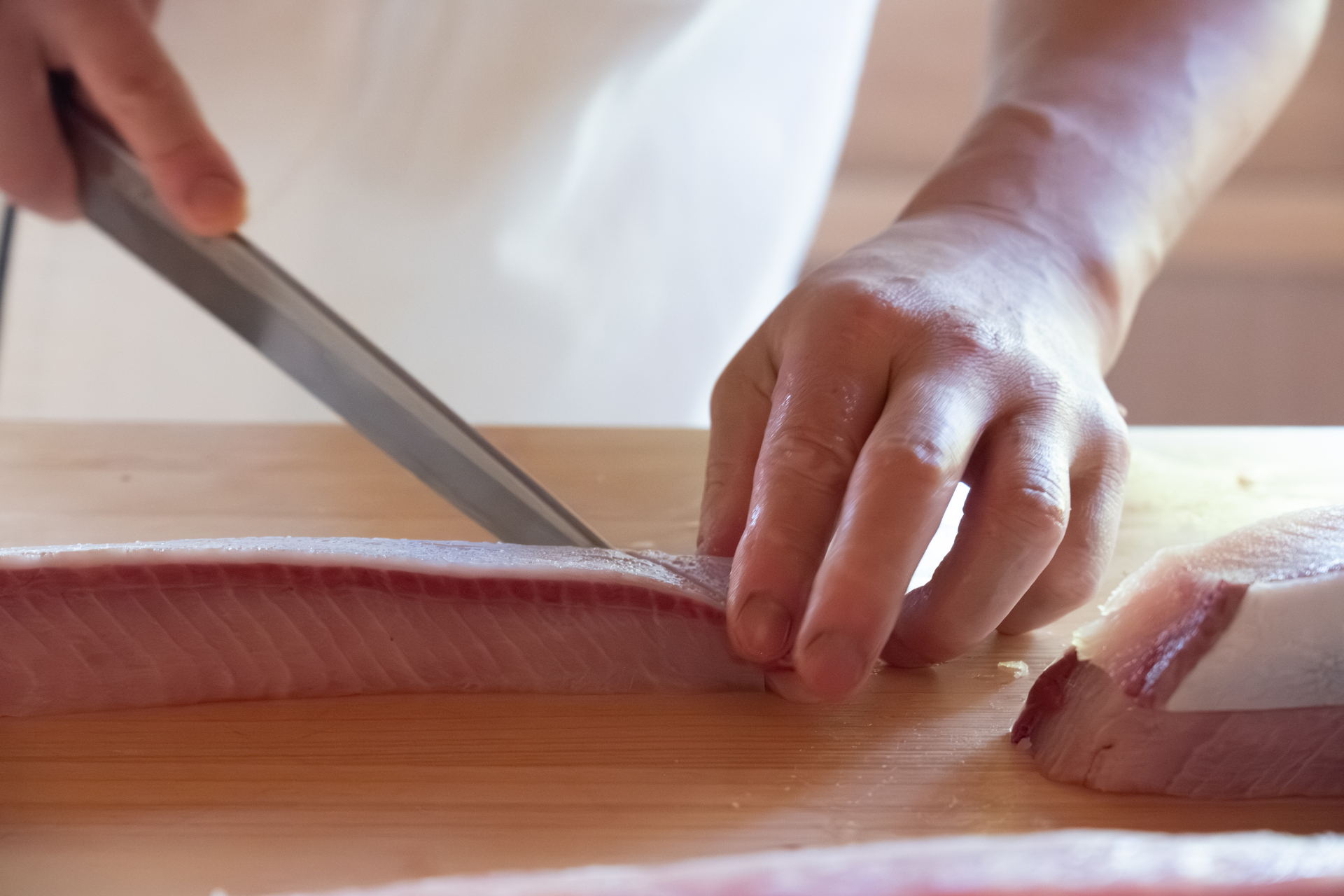
The finale is Buri-shabu, where slices of rich, marbled yellowtail are swirled through a delicate broth. At Oryori Fujii, this dish is an epiphany—a perfect marriage of nature’s bounty and human artistry.
The prosperity brought by the Kitamaebune still echoes here. Honorably feeling the weight of this history, master chefs bring the culinary heritage born of this land to life in the modern day. This is the true romance of travel—an experience that can only be savored by those who visit. In Higashi-Iwase, Toyama City, within the silhouette of its ancient townscape, a cutting-edge spirit thrives; it is a place where artists create and chefs innovate, giving birth to a new era of expression.
Reporting & Photography/ Yusuke Takano
Text/ Shunji Miyagawa
Translation/ Yumiko Sushitani
Access to Higashi-Iwase: Approximately 30 minutes by car from the Toyama-nishi Interchange (IC) on the Hokuriku Expressway.
Former Baba Family Residence (Nationally Registered Tangible Cultural Property)
107-2 Higashi-Iwasemachi, Toyama City, Toyama
Masuda Shuzo Saseki (Sake Tasting Room)
93 Higashi-Iwasemachi, Toyama City, Toyama
URL https://www.masuizumi.co.jp/
Tajiri Honten (The Flagship Liquor Shop)
102 Higashi-Iwasemachi, Toyama City, Toyama
URL http://www.tajirisaketen.co.jp/
Nomura Shoten (Artisanal Kombu-maki Shop)
90-1 Iwase Omachi, Toyama City, Toyama
Oryori Fujii (Two-Star Kaiseki Restaurant)
93 Higashi-Iwasemachi, Toyama City, Toyama
URL https://www.oryouri-fujii.jp/
Related Posts
The Blessings of Tsugaru and the Stories on the Plate
In the Tsugaru region of Aomori Prefecture, deep winter brings heavy snow that…
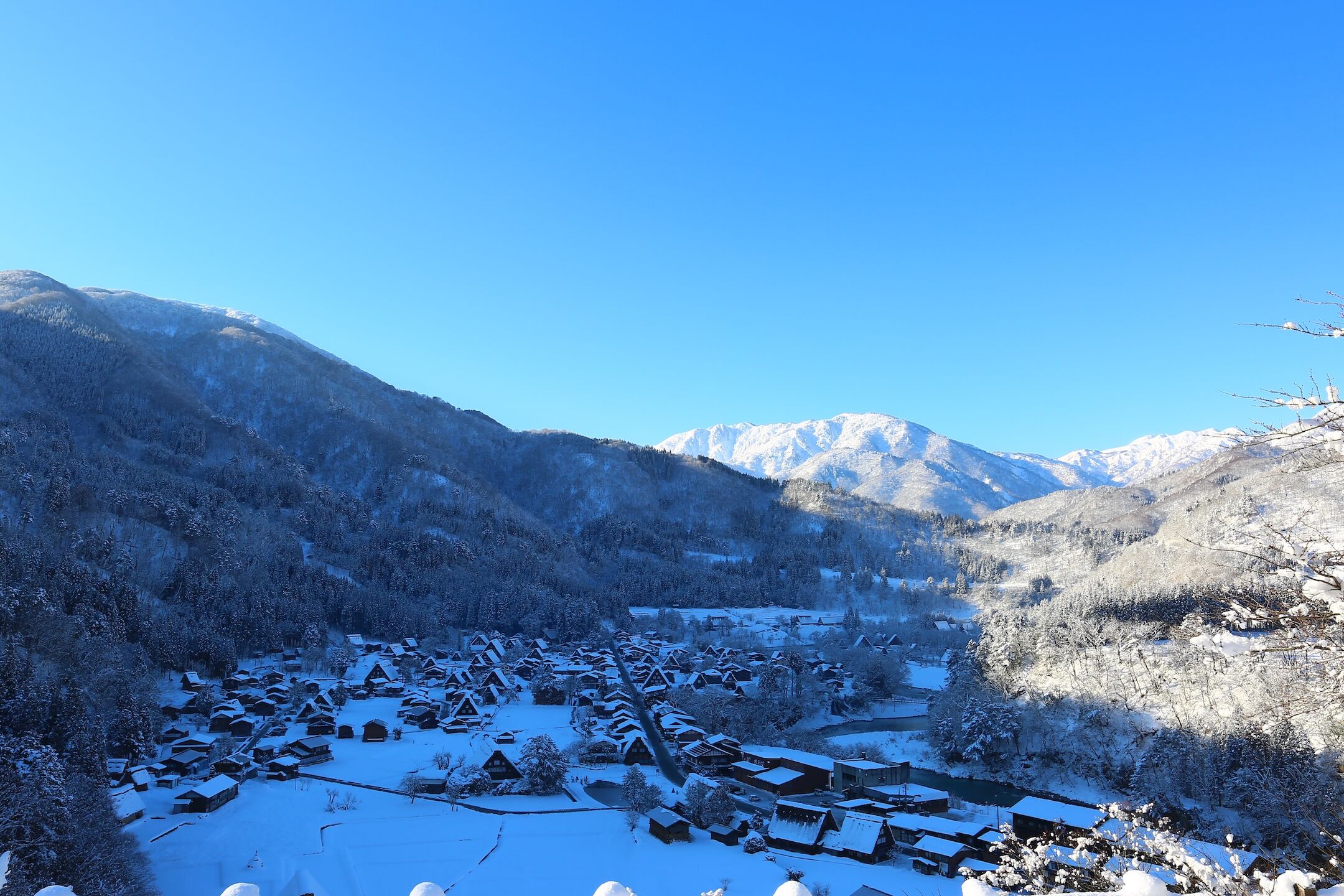
A Snow-Swept Morning in the Silent Winter of Shirakawa-go
Shirakawa-go (Shirakawa Village), a remote mountain village and UNESCO World…
Traditional Soy Sauce Making in Iyo’s Little Kyoto
Surrounded by mountains with the crystal-clear Hijikawa (Hiji River) flowing…